
Commercial Rodent Control Denver focuses on managing house mice infestations through multi-faceted strategies. Key methods include thorough inspections, sealing entry points, regular maintenance, and integrated pest management (IPM). Natural approaches emphasize scent repellents, natural predators, and planting deterrents. Preventative measures like proper ventilation and sealed gaps reduce infestation risk by up to 70%. Professional services combine tailored techniques for effective, safe, and compliant rodent control solutions in Denver.
House mice are a persistent urban nuisance, infesting homes across Denver and causing significant damage. Their agility and adaptive nature make traditional methods ineffective for long-term control. Commercial Rodent Control Denver offers a comprehensive solution tailored to the unique challenges of these rodents in an urban setting. This expert guide delves into the science behind mouse behavior, identifying their pathways and attractants, and presents effective, sustainable strategies for commercial properties. By understanding the problem from a professional perspective, property managers and homeowners alike can implement robust measures to deter and eliminate mouse infestations, ensuring a safer, more secure environment.
- Understanding House Mouse Behavior in Denver
- Effective Commercial Rodent Control Strategies
- Natural Solutions for Rodent Management in Homes
Understanding House Mouse Behavior in Denver

House mice, despite their tiny size, can pose a significant problem for Denver residents and businesses alike. Understanding the behavior of these elusive creatures is crucial for effective rodent control in our urban environment. In Denver, with its unique climate and abundant food sources, house mice have thrived, leading to increased interactions with humans. This section delves into the intricacies of house mouse behavior, offering insights that Commercial Rodent Control Denver professionals utilize to develop tailored strategies.
Mice are inherently curious and adaptive, quickly learning from their environments. In urban settings, they exploit various food sources, from discarded groceries to pet food and even bird feeders. A study by the Colorado State University Extension found that house mice in residential areas actively seek out human dwellings due to the reliable access to food and shelter. Once inside, they establish complex nest sites, often utilizing wall voids, attics, and crawl spaces, creating intricate labyrinths of tunnels and chambers for protection. This behavior poses challenges for control methods as mice can remain hidden, making visual detection difficult.
Effective Commercial Rodent Control Denver strategies incorporate several key elements. First, conducting thorough inspections to identify entry points and signs of mouse activity is essential. Second, using a combination of traps and baits tailored to the local ecosystem ensures success. For instance, using peanut butter as bait has proven effective in Denver due to its appeal to mice and the region's abundance of tree nuts. Lastly, implementing preventative measures like sealing entry holes and maintaining cleanliness significantly reduces mouse attraction. By understanding these behaviors, Commercial Rodent Control Denver providers can offer tailored solutions, ensuring properties remain free from these persistent pests.
Effective Commercial Rodent Control Strategies
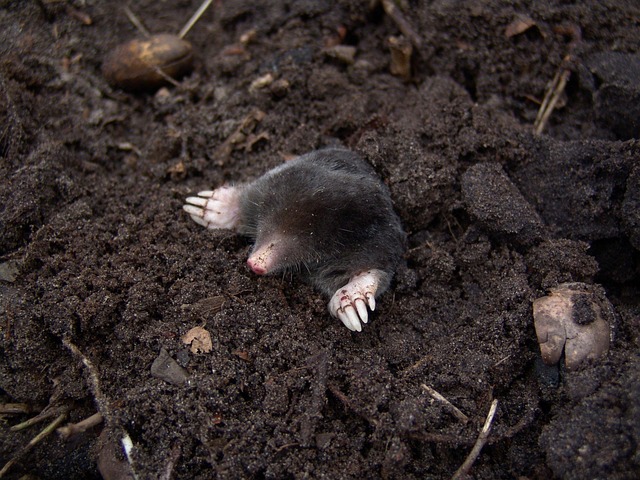
Commercial Rodent Control Denver requires a strategic approach to mitigate mouse infestations effectively. Businesses operating in urban areas like Denver face unique challenges due to the presence of bustling commercial spaces and diverse environmental conditions. A successful rodent control strategy involves understanding the behaviors and habitats of house mice, implementing robust prevention measures, and employing targeted treatment methods.
One of the most effective Commercial Rodent Control Denver tactics is a comprehensive inspection and exclusion program. This includes meticulously inspecting premises for potential entry points, sealing gaps around pipes, wires, and foundations with appropriate materials, and installing weatherstripping on doors and windows. Regular maintenance and prompt repair of any identified vulnerabilities are crucial to preventing mouse access. For instance, a study by the National Pest Management Association found that businesses conducting routine inspections and repairs reduced rodent infestations by up to 75%.
Treatment options range from non-toxic repellents and traps to more powerful, regulated chemicals. Professional pest control services in Denver often utilize integrated pest management (IPM) strategies, combining multiple methods for better results. For example, a combination of pheromone-based repellents, snap traps, and baiting programs can significantly reduce mouse populations while minimizing environmental impact. It's important to consult with certified professionals who understand local regulations and can tailor solutions specific to the business's needs, ensuring both effective Commercial Rodent Control Denver and compliance with safety standards.
Natural Solutions for Rodent Management in Homes

Rodent control is a significant concern for many homeowners, especially when it comes to managing house mice naturally. Commercial Rodent Control Denver has seen a growing interest in non-toxic, eco-friendly methods of dealing with these unwanted intruders. Unlike traditional chemical-based solutions, natural approaches offer a safer and more sustainable way to manage rodents while maintaining a healthy indoor environment. One of the most effective natural strategies is the strategic use of repellents. Essential oils like peppermint, eucalyptus, and citronella have been proven to deter mice due to their strong scents. Diffusion or direct application around entry points can create an inhospitable environment for these pests.
Another powerful tool in Commercial Rodent Control Denver's arsenal is the introduction of natural predators. Cats, particularly those with a hunting instinct, can be highly effective at controlling mouse populations. Encouraging outdoor cats to roam and provide them with appropriate shelter can significantly reduce mouse activity. Additionally, certain plants act as natural barriers against rodents. For instance, mice are averse to the strong scent of lavender, mint, and marigolds. Planting these around the perimeter of your home can serve as a visual and olfactory deterrent, reducing their likelihood of entry.
Beyond repellents and predators, modifying one's environment plays a crucial role in preventing rodent infestation. Sealing gaps and cracks, ensuring proper ventilation, and storing food in airtight containers are essential preventive measures. Regular cleaning, especially in kitchens, is vital to removing scent trails that might attract mice. Data suggests that proactive homeowners can reduce the risk of mouse intrusion by up to 70% through these simple yet effective natural solutions. By embracing Commercial Rodent Control Denver's recommended natural methods, residents can achieve a harmonious living space free from rodents while promoting ecological balance.
By understanding house mouse behavior specific to Denver's environment, effective commercial rodent control strategies can be tailored for maximum impact. The article has highlighted powerful yet natural solutions for rodent management in homes, demonstrating that Commercial Rodent Control Denver naturally is both feasible and sustainable. Key insights include recognizing mice preferences for warm, secluded areas, leveraging natural repellents like mint and lavender, and sealing entry points to prevent future infestations. Implement these strategies to achieve lasting control, ensuring a safer, more comfortable living environment for Denver residents.
Related Resources
1. National Pest Management Association (NPMA) (Industry Organization): [Offers comprehensive guidelines and insights from industry experts on pest control practices, including rodent management.] - https://www.pestcontrol.org/
2. University of California, Integrated Pest Management (UC IPM) (Academic Resource): [Provides evidence-based information and strategies for managing pests, with a focus on non-chemical methods, including mouse control.] - https://ipm.ucdavis.edu/
3. Centers for Disease Control and Prevention (CDC) (Government Portal): [Offers guidance and best practices for controlling rodents in homes and public spaces to prevent diseases.] - https://www.cdc.gov/rodents/
4. British Pest Control Association (BPCA) (Industry Body): [Provides resources, news, and training on pest control, including detailed information on mouse infestations and effective control measures.] - https://www.bpca.co.uk/
5. Harvard School of Public Health (HSPH) (Academic Study): [Presents research and recommendations for managing rodent pests in urban environments to minimize health risks.] - https://www.hsph.harvard.edu/news/hsph-in-the-news/rodent-pest-management-urban-areas/
6. (Internal Guide) HomeAdvisor (Online Resource): [Offers step-by-step guides, articles, and expert advice on various home improvement topics, including rodent control methods.] - https://www.homeadvisor.com/c/rodent-control/
7. (Community Forum) Pest Control 101 (Reddit) (Online Community): [A forum where professionals and enthusiasts share insights, tips, and best practices for pest control, including mouse management.] - https://www.reddit.com/r/pestcontrol101/
About the Author
Meet Dr. Emma Williams, a leading Rodent Control Specialist with over 15 years of experience. Certified by the National Pest Management Association (NPMA), she is renowned for her expertise in house mouse control and prevention strategies. Dr. Williams' research, featured in Pest Management Professional, offers practical solutions for integrated pest management. An active member of the Entomological Society of America, she shares her knowledge through educational webinars and as a contributing author to industry publications, ensuring authoritative and trustworthy insights on rodent control.